
In the food industry, maintaining the right temperature is crucial for ensuring food safety and quality. With the increasing demand for fresh produce and the growing complexity of supply chains, food temperature monitoring has become an essential practice for businesses. This article delves into how effective temperature monitoring can prevent costly spoilage, enhance food safety, and improve overall operational efficiency.
The Importance of Temperature Control
Temperature control is vital in the food supply chain, from production to consumption. Food products are highly susceptible to spoilage when not stored or transported at the correct temperatures. Bacteria thrive in warm environments, leading to foodborne illnesses and significant financial losses for businesses.
As technology continues to evolve, the capabilities of food temperature monitoring systems will only improve, offering even greater benefits to food businesses. Investing in these systems is not merely a matter of compliance; it is a strategic decision that can lead to significant cost savings and a stronger reputation in the marketplace.
Understanding Food Spoilage
Spoilage occurs when food products undergo chemical and biological changes, resulting in unpalatable or unsafe items. Factors such as temperature, humidity, and exposure to light can accelerate spoilage. For instance, perishable items like dairy, meat, and seafood require strict temperature regulation to remain safe for consumption.
When food is stored outside the recommended temperature range, it can lead to rapid degradation. This not only affects the quality of the product but can also result in financial losses due to waste and potential legal liabilities from food safety violations. Additionally, the sensory qualities of food, including taste, texture, and aroma, can be significantly compromised, leading to customer dissatisfaction and diminished brand loyalty. For example, a slight increase in temperature can cause milk to sour, while fish can develop an off-putting odour, rendering them unfit for sale.
Regulatory Compliance
Food businesses are subject to stringent regulations regarding food safety and temperature control. Compliance with these regulations is not only a legal requirement but also a crucial aspect of maintaining consumer trust. Failure to comply can lead to hefty fines, product recalls, and damage to a brand’s reputation.
Effective temperature monitoring systems help businesses adhere to these regulations by providing real-time data on storage conditions. This ensures that any deviations from the required temperature can be addressed promptly, thereby minimising risks associated with spoilage and non-compliance. Moreover, many companies are now adopting advanced technologies such as IoT-enabled sensors and automated monitoring systems, which not only enhance accuracy but also reduce the manpower needed for manual checks. Such innovations allow businesses to focus on their core operations while ensuring that their products remain safe and of high quality throughout the supply chain.
Technological Advancements in Temperature Monitoring
With advancements in technology, temperature monitoring has become more efficient and reliable. Modern systems utilise a range of tools and techniques to ensure that food products are kept within safe temperature ranges throughout the supply chain.
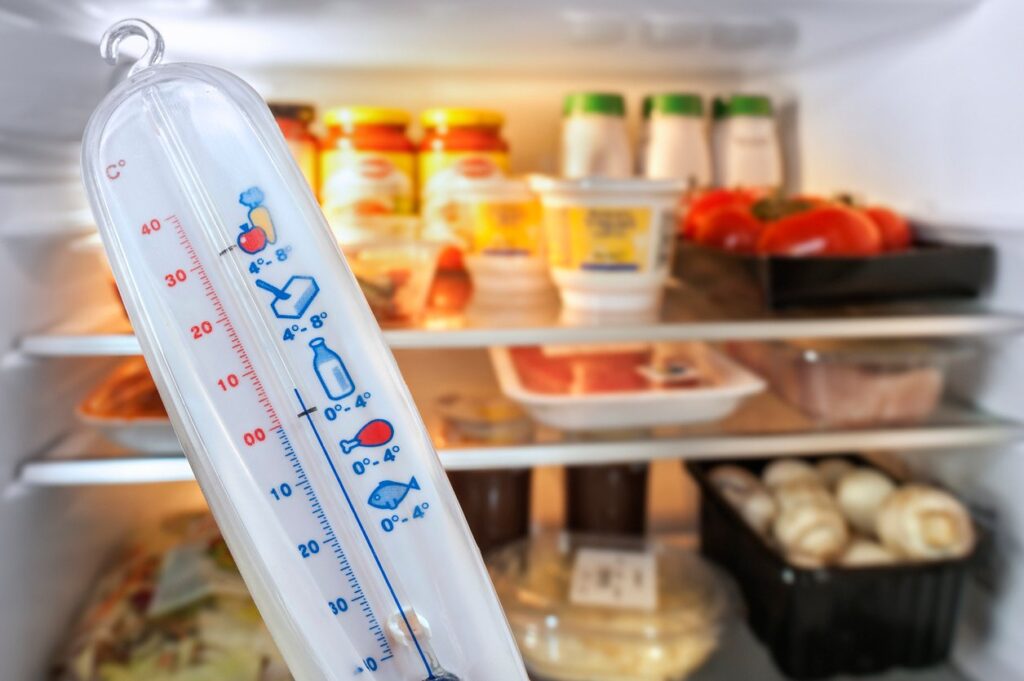
Wireless Temperature Sensors
Wireless temperature sensors are a game-changer for the food industry. These devices can be placed in storage areas, transport vehicles, and even on individual products to continuously monitor temperatures. The data collected is transmitted in real-time to a central system, allowing for immediate alerts if temperatures deviate from acceptable ranges.
This technology not only enhances food safety but also allows businesses to analyse temperature data over time. By identifying patterns and trends, companies can make informed decisions about their storage and transportation practices, ultimately reducing the risk of spoilage. Additionally, the integration of IoT (Internet of Things) capabilities enables these sensors to communicate with other smart devices, creating a cohesive network that optimises the entire supply chain. For instance, if a delivery truck experiences a malfunction, the sensors can automatically alert the driver and the logistics team, ensuring that corrective actions are taken swiftly to preserve the integrity of the goods. Learn more about communicate at https://communicationmgmt.usc.edu/blog/importance-of-communication-in-health-care
Data Analytics and Reporting
Data analytics plays a crucial role in temperature monitoring. Advanced systems can analyse historical temperature data to identify potential issues before they become significant problems. For example, if a particular storage unit consistently shows temperature fluctuations, businesses can take proactive measures to rectify the situation.
Moreover, comprehensive reporting features enable businesses to maintain accurate records, which are essential for audits and compliance checks. These reports can also be invaluable for training staff and improving operational procedures. Furthermore, the use of predictive analytics allows companies to forecast future temperature-related challenges based on past data, enabling them to implement preventive strategies. This proactive approach not only enhances overall efficiency but also fosters a culture of continuous improvement within the organisation, as employees become more aware of the critical role temperature control plays in food safety and quality assurance.
Benefits of Effective Temperature Monitoring
The implementation of effective temperature monitoring systems offers numerous benefits for food businesses. Beyond preventing spoilage, these systems can enhance overall operational efficiency and contribute to a healthier bottom line.
Reducing Waste and Costs
Food waste is a significant issue in the industry, with millions of tonnes of food discarded each year due to spoilage. By implementing robust temperature monitoring practices, businesses can significantly reduce this waste. When food is kept at the correct temperatures, it lasts longer, resulting in fewer losses and lower costs associated with purchasing and disposing of spoiled products.
Additionally, reducing waste can lead to a more sustainable operation. Consumers are increasingly concerned about sustainability, and businesses that demonstrate a commitment to reducing waste can enhance their brand image and attract a more environmentally conscious customer base.
Enhancing Customer Satisfaction
Customers expect high-quality, safe food products. When businesses implement effective temperature monitoring, they can ensure that their products meet these expectations. Consistently delivering fresh and safe food enhances customer satisfaction and loyalty.
Moreover, businesses that prioritise food safety and quality are more likely to receive positive reviews and recommendations, further boosting their reputation in a competitive market.
Implementing a Temperature Monitoring System
For businesses looking to implement a temperature monitoring system, several key steps should be considered. A well-planned approach can ensure a smooth transition and maximise the benefits of the system.
Assessing Needs and Requirements
The first step in implementing a temperature monitoring system is to assess the specific needs of the business. This includes evaluating the types of products being stored, the storage environment, and the regulatory requirements that must be met. Understanding these factors will help determine the most suitable monitoring solutions. To read more about environment click here.
Additionally, businesses should consider the scale of their operations. Larger operations may require more sophisticated systems with multiple sensors, while smaller businesses may benefit from simpler solutions.
Selecting the Right Technology
Once the needs have been assessed, the next step is to select the right technology. There are various options available, from basic thermometers to advanced wireless monitoring systems. Businesses should consider factors such as ease of use, reliability, and integration with existing systems when making their choice.
It is also essential to consider the support and maintenance offered by the technology provider. A reliable support system can ensure that any issues are addressed promptly, minimising disruptions to operations.
Training Staff and Establishing Protocols
Implementing a temperature monitoring system is only effective if staff are adequately trained. Employees should be familiar with how the system works, the importance of temperature control, and the protocols for responding to alerts. Regular training sessions can help reinforce these practices and ensure that all staff members are on the same page.
Additionally, businesses should establish clear protocols for monitoring and responding to temperature deviations. This includes outlining the steps to take when an alert is received and who is responsible for addressing the issue. Having a well-defined process can minimise response times and reduce the risk of spoilage.
Conclusion
Food temperature monitoring is a critical component of maintaining food safety and quality in the industry. By implementing effective monitoring systems, businesses can prevent costly spoilage, enhance customer satisfaction, and ensure compliance with regulations.
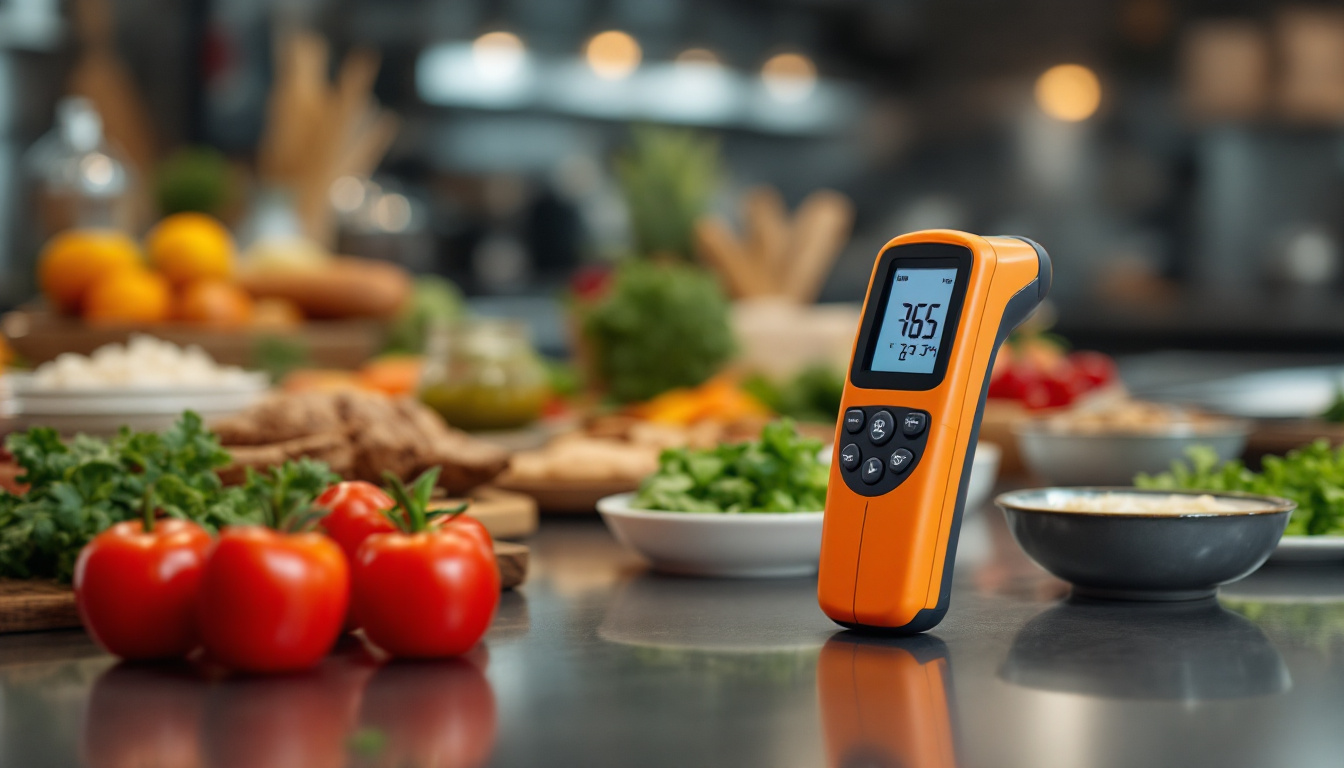
In a world where food safety is paramount, embracing temperature monitoring is an essential step towards ensuring that products remain safe, fresh, and of the highest quality. The future of the food industry depends on it.
Read more on: Why Food Safety Temperature Monitoring is a Must for Compliance