
In the food industry, maintaining the safety and quality of products is paramount. One of the most critical aspects of ensuring food safety is temperature monitoring. This practice not only helps in preserving the integrity of food items but also plays a vital role in compliance with health regulations. In Australia, where food safety standards are stringent, understanding the importance of temperature monitoring can significantly impact businesses.
The Importance of Temperature Control
Temperature control is essential for preventing foodborne illnesses. Bacteria thrive in temperatures between 5°C and 60°C, often referred to as the “danger zone.” By monitoring temperatures, businesses can ensure that food is stored, cooked, and served at safe levels, thereby reducing the risk of contamination.
Food safety temperature monitoring is not merely a regulatory requirement; it is a fundamental aspect of running a successful food business. By implementing effective temperature monitoring systems, businesses can ensure compliance, enhance operational efficiency, and reduce food waste.
Understanding the Danger Zone
The danger zone is a critical concept in food safety. When food is kept within this temperature range, harmful bacteria can multiply rapidly. This is especially concerning for perishable items such as meat, dairy, and seafood. Regular temperature checks can help identify when food is at risk, allowing for timely intervention.
For example, if a refrigerator malfunctions and temperatures rise above 5°C, the food stored inside may become unsafe. By implementing a robust temperature monitoring system, businesses can receive alerts and take action before food safety is compromised. Additionally, it is important to note that the danger zone can be influenced by various factors, including the duration of exposure and the specific type of food in question. For instance, cooked rice and pasta can also be breeding grounds for bacteria if left at room temperature for too long, highlighting the need for comprehensive temperature management across all food categories.
Regulatory Compliance
In Australia, food businesses are required to comply with the Food Standards Australia New Zealand (FSANZ) guidelines. These regulations stipulate specific temperature requirements for the storage and handling of food. Failure to adhere to these standards can result in hefty fines, legal repercussions, and damage to a business’s reputation.
Temperature monitoring systems provide documented evidence of compliance, making it easier for businesses to demonstrate adherence to health regulations during inspections. This not only protects the business but also reassures customers about the safety of the food they consume. Furthermore, the implementation of technology such as smart thermometers and IoT-enabled devices can enhance monitoring capabilities, allowing for real-time data analysis and remote alerts. This proactive approach not only streamlines operations but also fosters a culture of safety and accountability within the organisation, ultimately benefiting both staff and patrons alike.
Benefits of Implementing Temperature Monitoring Systems
Investing in temperature monitoring systems offers numerous benefits beyond compliance. These systems can enhance operational efficiency, reduce waste, and improve overall food safety practices.
Enhanced Operational Efficiency
Automated temperature monitoring systems can streamline operations by reducing the need for manual checks. With real-time data collection, staff can focus on other essential tasks rather than constantly monitoring temperatures. This efficiency can lead to better resource allocation and improved productivity.
Additionally, many modern systems allow for remote monitoring, enabling managers to oversee temperature conditions from anywhere. This flexibility can be particularly beneficial for businesses with multiple locations or those that operate outside of regular hours. Furthermore, the integration of mobile applications into these systems means that alerts and notifications can be received instantly on smartphones or tablets, ensuring that any temperature deviations are addressed immediately, thereby safeguarding the quality of the products. Learn more about flexibility at https://www.herzing.edu/blog/flexibility-healthcare-embracing-role-soft-skills-patient-care
Reduction of Food Waste
Food waste is a significant issue in the food industry, both economically and environmentally. By ensuring that food is stored at the correct temperatures, businesses can extend the shelf life of their products. This not only reduces waste but also maximises profitability.
Temperature monitoring systems can alert staff to potential issues, such as equipment failures, before they lead to spoilage. By addressing these problems promptly, businesses can save money and contribute to sustainability efforts. Moreover, implementing these systems can enhance a company’s reputation, as consumers are increasingly concerned about food waste and sustainability practices. By demonstrating a commitment to reducing waste through effective temperature management, businesses can attract environmentally-conscious customers and differentiate themselves in a competitive market.
Types of Temperature Monitoring Solutions
There are various temperature monitoring solutions available, each with its own set of features and benefits. Choosing the right system depends on the specific needs of the business.
Manual Monitoring
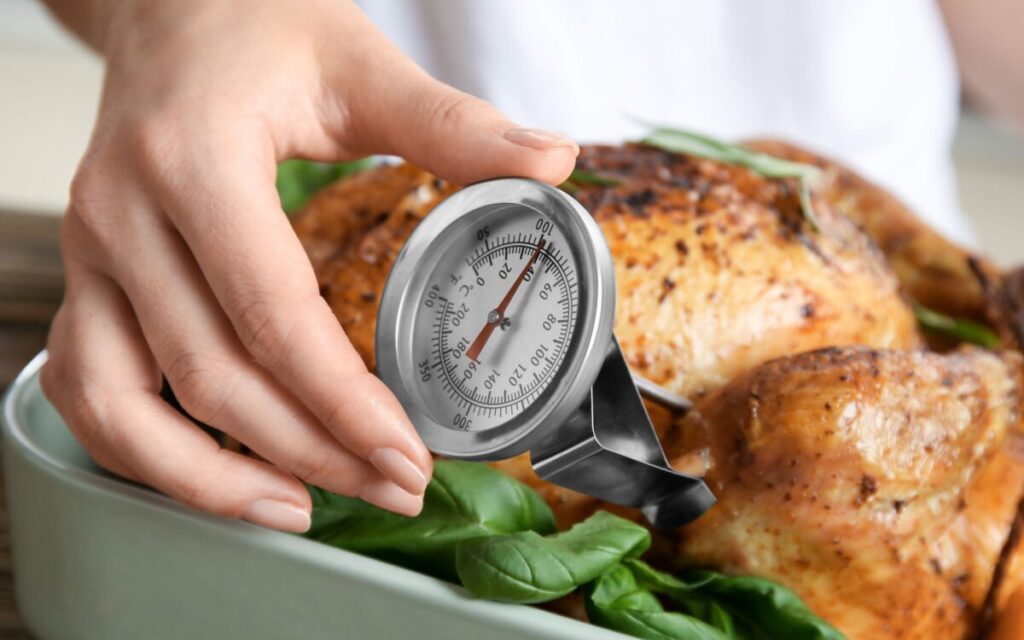
Manual temperature monitoring involves staff regularly checking and recording temperatures using thermometers. While this method can be effective, it is time-consuming and prone to human error. Additionally, it does not provide real-time data or immediate alerts, which can be crucial in preventing food safety issues. Furthermore, the reliance on staff to consistently perform these checks can lead to lapses in monitoring, particularly during busy periods when staff may be preoccupied with other tasks.
Moreover, manual monitoring often requires extensive training to ensure that staff are familiar with the correct procedures and the importance of accurate readings. In environments where temperature control is critical, such as in the food service or pharmaceutical industries, the limitations of manual monitoring can pose significant risks. Regular audits may be necessary to ensure compliance with safety regulations, adding an extra layer of complexity and potential cost to the operation.
Automated Monitoring Systems
Automated temperature monitoring systems offer a more efficient and reliable solution. These systems use sensors to continuously monitor temperatures and can send alerts via email or SMS if temperatures fall outside of safe ranges. This immediate notification allows for quick action, reducing the risk of food spoilage and contamination. Additionally, automated systems can often be integrated with existing management software, streamlining operations and enhancing overall efficiency.
Many automated systems also provide detailed reports and analytics, enabling businesses to track temperature trends over time. This data can be invaluable for identifying patterns and making informed decisions about food safety practices. For instance, if a particular storage unit consistently shows temperature fluctuations, it may indicate a need for maintenance or replacement. Furthermore, the ability to access historical data can aid in compliance with health and safety regulations, providing documentation that can be crucial during inspections or audits. The investment in such technology not only enhances safety but can also lead to long-term savings by minimising waste and optimising inventory management.
Implementing a Temperature Monitoring System
Implementing a temperature monitoring system requires careful planning and consideration. Businesses must assess their specific needs and choose a system that aligns with their operations.

Assessing Needs
Before selecting a temperature monitoring solution, businesses should evaluate their current processes and identify areas for improvement. Consider factors such as the types of food being stored, the size of the operation, and the frequency of temperature checks. Click here to find more about frequency.
Engaging staff in this assessment can also provide valuable insights. Employees who work with food daily can offer practical perspectives on the challenges they face and the features they would find beneficial in a monitoring system.
Training Staff
Once a temperature monitoring system is in place, proper training is essential. Staff must understand how to use the system effectively, interpret data, and respond to alerts. Regular training sessions can help reinforce the importance of food safety and ensure that all employees are on the same page.
Additionally, fostering a culture of food safety within the organisation can motivate staff to take ownership of their responsibilities. When employees understand the impact of their actions on food safety, they are more likely to adhere to protocols and contribute to a safer food environment.
Conclusion
In a competitive market, prioritising food safety can also serve as a unique selling point, attracting customers who value transparency and quality. As the food industry continues to evolve, embracing technology and best practices in temperature monitoring will be crucial for maintaining high standards of food safety.
Ultimately, investing in temperature monitoring is an investment in the future of the business. By safeguarding food safety, businesses can protect their reputation, ensure customer satisfaction, and contribute to a healthier community.
Other resources: How Food Temperature Monitoring Prevents Costly Spoilage