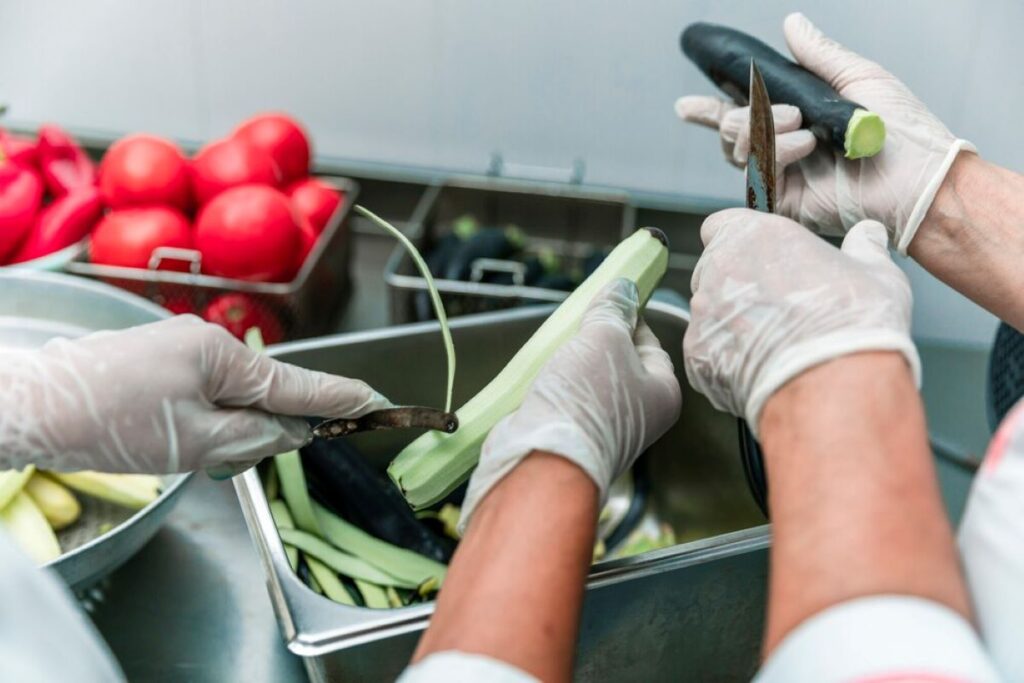
In an ever-changing landscape of food safety regulations and consumer expectations, compliance services are undergoing a significant transformation. Traditional audits, once the cornerstone of food safety compliance, are being re-evaluated and adapted to meet the demands of modern food production and distribution. This evolution is not merely a trend; it reflects the need for more comprehensive, real-time solutions that ensure food safety at every level of the supply chain.
The Limitations of Traditional Audits
Traditional food safety audits typically involve a periodic, in-depth examination of a facility’s processes, practices, and documentation. While these audits have served their purpose, they come with inherent limitations that can compromise their effectiveness.
Static Nature of Audits
One of the primary drawbacks of traditional audits is their static nature. Audits are often conducted on a scheduled basis, which means that they only capture a snapshot of compliance at a specific point in time. This can lead to gaps in safety practices that go unnoticed until the next audit cycle. In a fast-paced food industry, where changes can occur rapidly, this approach is increasingly inadequate.
For instance, a facility may implement new processes or technologies between audits that could significantly alter its safety profile. If these changes are not monitored continuously, there is a risk that emerging hazards may not be addressed promptly. Furthermore, the reliance on historical data during audits can result in complacency, where staff may feel less inclined to maintain high standards of safety and hygiene, assuming that they will be evaluated only during the next scheduled audit.
Reactive Rather Than Proactive
Moreover, traditional audits tend to be reactive rather than proactive. They focus on identifying issues after they have occurred, rather than preventing them from happening in the first place. This reactive approach can result in costly recalls, reputational damage, and, most importantly, risks to consumer health.
In many cases, the aftermath of a food safety incident can have far-reaching consequences, not just for the company involved but for the entire industry. The fallout from a single recall can lead to increased scrutiny from regulators, loss of consumer trust, and even legal ramifications. By shifting towards a more proactive approach, such as continuous monitoring and real-time data analysis, food businesses can identify potential risks before they escalate into serious problems. This shift not only enhances safety but also fosters a culture of accountability and vigilance among employees, ultimately leading to better outcomes for both the business and its customers.
Emerging Trends in Food Safety Compliance
As the food industry evolves, so too do the strategies employed to ensure compliance with safety standards. Several emerging trends are reshaping the landscape of food safety compliance services.
Technology Integration
One of the most significant changes is the integration of technology into compliance processes. Advanced technologies such as IoT (Internet of Things), blockchain, and AI (Artificial Intelligence) are being leveraged to enhance food safety protocols. These technologies enable real-time monitoring of food safety conditions, allowing for immediate corrective actions when necessary.
For instance, IoT devices can monitor temperature and humidity levels throughout the supply chain, ensuring that food products are stored and transported under optimal conditions. This level of oversight is not possible with traditional audits, which rely on historical data and manual checks. Furthermore, blockchain technology offers an immutable ledger of the entire supply chain process, providing transparency and traceability that can help identify points of failure and enhance consumer trust. As a result, stakeholders can verify the origin of their food products, ensuring they meet safety standards right from the farm to the table.

Continuous Compliance Monitoring
Another trend is the shift towards continuous compliance monitoring. Instead of waiting for scheduled audits, companies are adopting systems that provide ongoing oversight of their food safety practices. This approach allows for immediate detection of non-compliance issues, enabling swift responses to mitigate risks.
Continuous monitoring can also foster a culture of accountability within organisations. Employees are more likely to adhere to safety protocols when they know that their practices are being monitored in real-time, leading to improved overall compliance. Additionally, this proactive stance not only addresses potential hazards before they escalate but also encourages a more engaged workforce. Training programmes can be tailored based on real-time data, allowing employees to understand their specific roles in maintaining food safety. This dynamic approach to compliance not only enhances safety but also empowers staff, ultimately contributing to a more resilient food safety culture within the organisation.
The Role of Training and Education
As food safety compliance evolves, the importance of training and education cannot be overstated. Ensuring that all employees are well-informed about food safety practices is crucial for maintaining compliance.
Empowering Employees
Training programmes that empower employees to take ownership of food safety practices are becoming increasingly popular. By equipping staff with the knowledge and skills needed to identify potential hazards and implement corrective actions, organisations can create a more proactive approach to food safety.
Moreover, ongoing training ensures that employees stay updated on the latest regulations and best practices. This not only enhances compliance but also fosters a culture of safety within the organisation.
Utilising E-Learning Platforms
The rise of e-learning platforms has also transformed how training is delivered. These platforms offer flexible, accessible training options that can be tailored to the specific needs of an organisation. Employees can complete training at their own pace, ensuring that they fully understand the material before applying it in their daily tasks.
Consumer Expectations and Transparency
Consumer expectations regarding food safety and transparency are at an all-time high. Today’s consumers are more informed and concerned about the origins and safety of their food than ever before.
Demand for Transparency
As a result, companies are being called upon to provide greater transparency regarding their food safety practices. This includes sharing information about sourcing, production processes, and safety measures. Transparency not only builds trust with consumers but also holds companies accountable for their practices.
Food safety compliance services are evolving to meet these expectations by incorporating transparency into their frameworks. This might involve providing consumers with access to real-time data about food safety conditions or publishing detailed reports on compliance efforts.
Building Consumer Trust
By prioritising transparency and actively communicating food safety efforts, companies can build stronger relationships with their customers. This trust can translate into brand loyalty, which is invaluable in a competitive market.
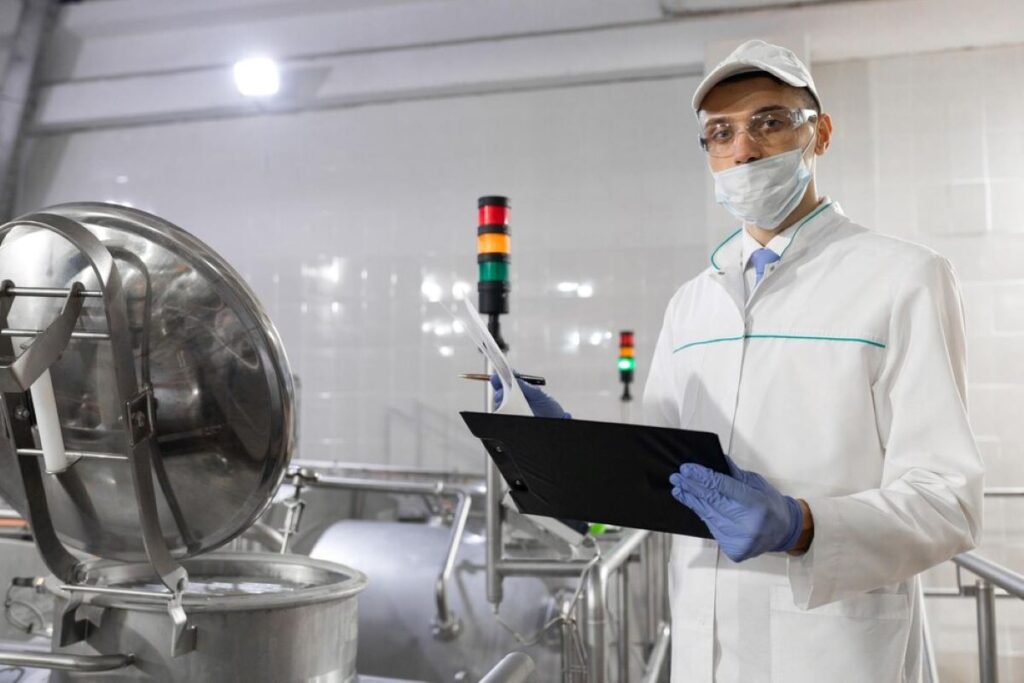
The Future of Food Safety Compliance Services
The future of food safety compliance services is undoubtedly dynamic and multifaceted. As the industry continues to evolve, several key factors will shape its trajectory.
Regulatory Changes
Regulatory bodies are continually updating their guidelines to reflect the latest scientific findings and industry practices. Compliance services must stay ahead of these changes to ensure that their clients remain compliant. This requires a proactive approach to monitoring regulatory developments and adapting compliance strategies accordingly.
Collaboration Across the Supply Chain
Collaboration among all stakeholders in the food supply chain will also play a crucial role in the future of food safety compliance. From producers to retailers, everyone must work together to ensure that safety standards are upheld. This collaborative approach can lead to shared best practices and improved overall compliance.
Conclusion
In conclusion, food safety compliance services are evolving beyond traditional audits to meet the demands of a rapidly changing industry. The integration of technology, continuous monitoring, and a focus on training and education are just a few of the ways that compliance services are adapting to ensure food safety.
As consumer expectations for transparency and accountability continue to rise, companies must embrace these changes to build trust and maintain their reputations. The future of food safety compliance will require a proactive, collaborative approach that prioritises safety at every level of the supply chain.
Ultimately, the evolution of food safety compliance services is not just about meeting regulatory requirements; it is about safeguarding public health and ensuring that consumers can have confidence in the food they consume.
Related : Integrating a Food Safety and Compliance System into Your Daily Operations